Promoting Digital Citizenship for Students: Tips for Districts
Blogs

Although more and more children are growing up on technology with iPads and cell phones in hand at increasingly younger ages, their tech savviness isn’t necessarily translating into online discernment. We’ve all seen the 2016 Standford study cited that revealed “more than 80% of [middle school] students believed that the native advertisement, identified by the words ‘sponsored content,’ was a real news story.” It was followed up by a 2019 study, which showed even more worrisome figures when it comes to susceptibility to disinformation, which California assemblymember, Marc Berman, cites as one of the reasons for now requiring media literacy in California schools.
It’s becoming evident that schools need to prepare students to be digital citizens. Beyond mere digital literacy, students must be equipped with the skills of internet safety and online communication. This blog shares foundational strategies that can inform student digital citizenship.
Why is digital citizenship important for students?
Digital citizenship refers to the responsible, ethical use of technology, particularly the internet. It encompasses a wide range of skills and knowledge including online etiquette, cybersecurity, privacy, and critical thinking. Here is why it’s essential:
- Empowerment: Teaching students about digital citizenship lets them make informed, responsible online decisions.
- Internet Safety: It helps protect students from online threats, including cyberbullying, inappropriate content, and scams.
- Future Preparedness: Digital citizenship skills are crucial for students’ future success in a digitally connected world.
What’s the difference between internet safety for students and digital citizenship?
Internet safety is one component of digital citizenship. Digital citizenship can be broken down into three categories:
- Communication: Including freedom of expression, privacy rules for social media, gaming, and online communications with peers, acquaintances, and strangers. This encompasses appropriate etiquette along with laws regarding communication online.
- Safety: Understanding the need for minors to safeguard their privacy, ways to prevent cyberbullying, a s well as where to turn to when they have a problem.
- Literacy: Knowing how to evaluate, monitor, and establish settings for online tools to ensure safety and privacy. This also would include tools for financial transactions, entertainment, and communication.
Strategies for Promoting Digital Citizenship for Students
As administrators, you can play a pivotal role in promoting digital citizenship and internet safety. Here are some strategies to consider:
1. Incorporate Digital Citizenship Safety into the Curriculum
Integrating digital citizenship safety into the curriculum helps students build a strong foundation of digital literacy, communication, and safety. If your district is subject to CIPA, the FCC shares that you must educate minors “about appropriate online behavior, including interacting with other individuals on social networking websites and in chat rooms, and cyberbullying awareness and response.” Below, we have topic suggestions to add to your curriculum.
2. Train Teachers and Staff
Equipping teachers and staff with comprehensive training on digital citizenship, CIPA, and online safety is essential to fostering a secure online environment within the district. By providing teachers with the knowledge and tools to integrate internet safety lessons into their teaching practices, the district ensures a collective commitment to preparing students for responsible and ethical online behavior.
3. Adopt an Internet Safety Policy
This is a best practice for all districts, but if you’re subject to CIPA, your policy must address the following:
- “Access by minors to inappropriate matters on the internet;
- The safety and security of minors when using electronic mail, chat rooms and other forms of direct electronic communications;
- Unauthorized access, including so-called “hacking” and other unlawful activities by minors online;
- Unauthorized disclosure, use, and dissemination of personal information regarding minors; and
- Measures restricting minors’ access to materials harmful to them.”
4. Establish Clear Internet Use Policies
Develop and communicate internet use policies that outline acceptable online behavior with the consequences of violating these rules. Make sure students and their guardians are aware of these policies.
5. Implement Content Filtering & Regularly Update
Utilize content filtering tools and software to restrict access to inappropriate websites and material. These filters can be customized for different age groups to help ensure students are protected from harmful content while using school devices and networks. If you’re subject to CIPA, you must filter content that is “(a) obscene; (b) child pornography; or (c) harmful to minors.”
Keep content filtering systems up to date to adapt to new online threats and technologies. Regular updates ensure that the filtering is effective in blocking new inappropriate content as it emerges.
6. Create a Culture of District Data Security
“The U.S. Department of Education established the Privacy Technical Assistance Center (PTAC) as a “one-stop” resource for education stakeholders to learn about data privacy, confidentiality, and security practices related to student-level longitudinal data systems and other uses of student data,” states PTAC. They have a 17-point Data Security Checklist to help ensure your district is appropriately protecting student data.
Our resource, Data Privacy and Security for Superintendents, also shares data privacy laws to consider along with other best practices.
7. Cyberbullying Prevention
Implement anti-cyberbullying programs that establish protocols for reporting and addressing cyberbullying incidents. Create a safe space where students can report concerns.
8. Leverage Responsible Use Policies
Many students have access to school technology daily while some are responsible for taking their devices home. Before giving students access to these resources, the student and their guardians must have some guidelines. This can be achieved through responsible use policies.
The Bright School shares theirs online detailing that their policy “is designed to give students and their families clear and concise guidelines regarding the appropriate use of the school’s technology, including computers, printers, software, and the Internet.”
9. Monitor the Online Activity of Students
Student activity monitoring takes web filtering to the next level. This technology can leverage AI and machine learning to identify students who may be at risk of mental health concerns or harming others, alerting school administrators allowing them to step in to keep students safe. While this practice has raised some concerns for student privacy, most believe the benefits outweigh the concerns. It is also a CIPA requirement.
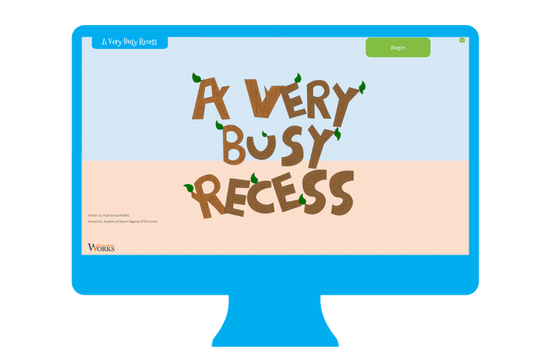 Online CIPA Training for Students
Equip grades K-12 with age-appropriate digital citizenship and internet safety training. Reach out now to learn more about our comprehensive, engaging, and age-relevant courses!
Curriculum Ideas for Digital Citizenship in the Classroom
Promoting digital citizenship in the classroom involves tailoring the curriculum to students’ developmental stages. Here are some ideas for each component of digital citizenship:
Communication: Including freedom of expression, privacy rules for social media, gaming, and online communications with peers, acquaintances, and strangers. This encompasses appropriate etiquette along with laws regarding communication online.
- Use professional email etiquette.
- Recognize and use appropriate conduct online.
- Communicate kindly with others.
- Use and share other’s digital property, including copyright laws.
- Know the fundamental rights of privacy and freedom of expression.
Safety: Understanding the need for minors to safeguard their privacy, ways to prevent cyberbullying, as well as where to turn when they have a problem.
- Follow healthy usage patterns and know the effects of screen time on mental health.
- Know the best privacy settings on frequently used social media and games.
- Openly discuss predators, grooming, and sexual exploitation to prevent minors from becoming victims.
- How to protect or freeze their financial credit.
Literacy: Knowing how to evaluate, monitor, and establish settings for online tools to ensure safety and privacy. This also would include tools for financial transactions, entertainment, and communication.
- Properly cite digital materials.
- Evaluate sources for accuracy as well as credibility, mainly social media “facts.”
- Understand financial and identity information that is publicly available or stored on websites.
- Identify games and websites where they m are most likely to be victimized.
As district administrators, fostering a culture of responsibility, ethical use of technology, and online literacy is becoming increasingly important. Beyond compliance requirements, the essence of digital citizenship lies in empowerment, internet safety, and preparing students for a future where their online presence is intertwined with every aspect of their lives. By incorporating digital citizenship in the classroom, robust policies, and proactive measures, administrators can pave the way for a generation of digitally savvy and responsible citizens. The commitment to promoting digital citizenship is an investment in the future success and well-being of our students.