How to Measure Student Sociometric Status
Blogs

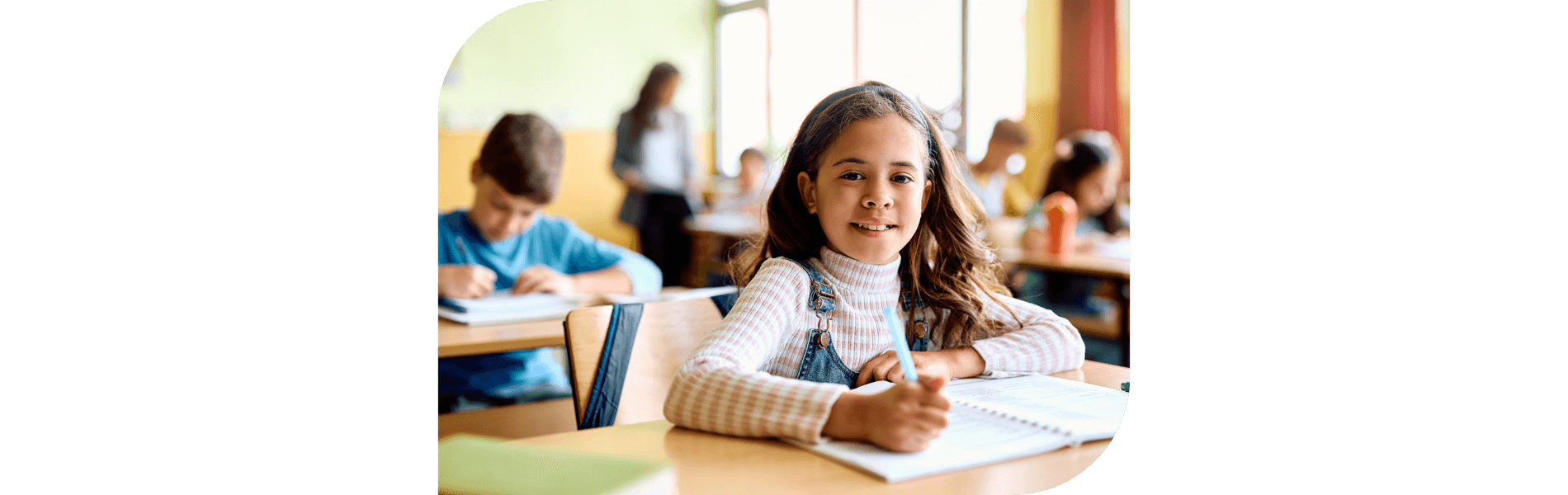
Understanding the social dynamics within a classroom is essential for creating an inclusive and supportive environment. One way to gain insights into these dynamics is by measuring sociometric status—the degree to which students are liked, accepted, or rejected by their peers. This information helps teachers manage classrooms more effectively and support students who may feel isolated or disconnected.
Six Ways to Measure Sociometric Status
To better understand classroom dynamics, educators can use various methods to measure sociometric status—students’ social standing among their peers. Here are six effective techniques to assess these social relationships and support student inclusion.
1. Peer Nomination: In peer nomination, students are asked to nominate classmates for specific roles or characteristics, such as selecting three peers they would prefer to work with on a project. This method helps teachers identify social preferences and peer connections, making it easier to spot students who might be excluded or those who are well-integrated into the classroom community.
2. Peer Ratings: With peer ratings, students are asked to rate their classmates on a scale (e.g. from 1 to 5), typically based on how much they enjoy spending time with each person. This method provides a quantitative measure of social acceptance and can highlight discrepancies in how students perceive each other, allowing educators to address potential social challenges.
3. Sociometric Tests: Sociometric tests involve structured questionnaires where students report on their social interactions, friendships, and preferences. The data gathered can be used to generate sociograms, which are visual representations of the classroom’s social structure, indicating which students are central, isolated, or bridging different groups.
4. Sociograms: Sociograms are visual tools that map out relationships and interactions between students, helping teachers see at a glance who is well-connected and who might feel left out. By identifying these patterns, teachers can take proactive steps to foster stronger bonds and ensure a sense of belonging for all students.
5. Teacher Assessments: Teachers can provide valuable insights through their observations of students’ interactions. Teachers are often able to identify students who may struggle with forming friendships or those who play key roles in maintaining classroom harmony. These assessments can be combined with peer-based methods for a fuller picture of classroom dynamics.
6. Self-Assessments: Self-assessments allow students to reflect on their own social status and relationships within the classroom. While this method can be subjective, it offers valuable insight into how students perceive their own sense of belonging and social standing, which may differ from their peers’ perceptions.
Why Sociometric Status Matters
Measuring sociometric status helps educators understand more than just academic performance; it offers insights into students’ emotional well-being and their sense of community. Students who feel a strong sense of belonging are more likely to succeed academically and socially. On the other hand, students who are marginalized or isolated may struggle with both academic and emotional challenges. By identifying these social dynamics, educators can create interventions that promote inclusion, empathy, and community in the classroom.
Addressing Socioeconomic Factors
Sociometric status is closely related to socioeconomic status (SES), which can also impact students’ academic success and peer relationships. Research shows that students from low-SES backgrounds often face unique challenges, including limited access to resources and social capital, which can affect their ability to form positive peer relationships. These students may benefit from additional support to bridge the gap between home and school environments, helping to reduce feelings of exclusion and improve their sense of belonging in the classroom.
In classrooms where socioeconomic disparities are evident, understanding sociometric status can help educators identify students who might be struggling socially or emotionally. Tailoring interventions to address both social and economic factors can promote greater inclusivity and equity, ultimately benefiting the entire school community.
Using Sociometric Status as Tool to Improve Sense of Belonging
Measuring sociometric status is a powerful tool for educators aiming to create classrooms where every student feels valued and included. By using a combination of peer nominations, sociograms, and teacher assessments, schools can identify students who may need additional support and create strategies to ensure that all students thrive academically and socially. Addressing both social and socioeconomic challenges in the classroom is essential to fostering a sense of belonging that benefits students well beyond their school years.
Equip Staff with Tools for Inclusive, Engaged Classrooms
Empower your teachers and staff to create inclusive, supportive environments where every student feels valued. Enroll them in key training courses like “Building Safe and Supportive School Environments,” “Implicit Bias and Cultural Responsiveness,” and “DEI for Educators.” Take the first step in boosting student engagement and well-being today!