Ensuring Equity and Inclusion in Educational Policies
Blogs

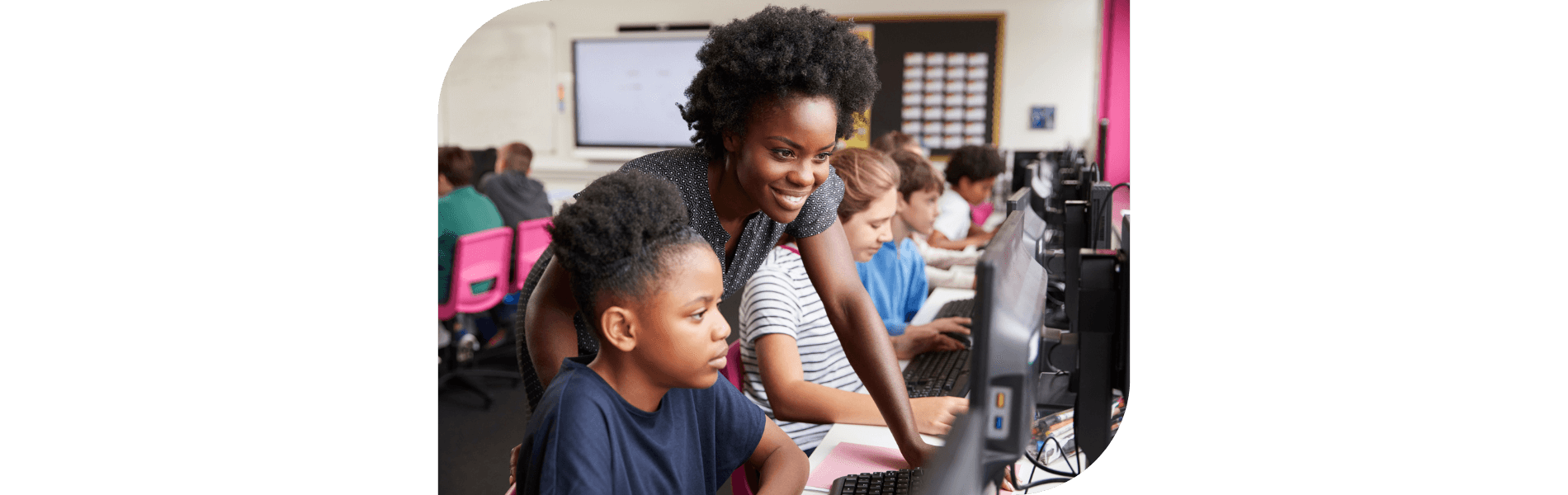
Within education, equity and inclusion looks like a classroom where students feel safe and supported in their learning. Teachers can be seen adapting their teaching styles to match student needs and providing students with the materials they need to succeed in their education. These classrooms are a united learning community. However, for this to happen, support needs to come from the top. Superintendents are tasked with ensuring equity and inclusion are taking place within all areas of educational policies.
First, it is important to outline what equity and inclusion is and why it is important. Equity ensures fair access to resources and opportunities based on individual needs, while inclusion creates an environment where everyone feels welcomed, supported, and respected. A lack of equity and inclusion can result in achievement gaps, grade repetition, and increased school dropout rates.
This blog will explore equity and inclusion, how it affects schools, and the role superintendents play in promoting equity and inclusion in educational policies. It will also serve as a how-to guide for superintendents seeking to implement these crucial aspects within their schools.
How to Improve Equity in Schools: The Role of the Superintendent
Superintendents hold the key to improving equity in schools and serve as role models for educational leaders at all levels. Leading by example and fostering collaboration greatly influences the school climate, shaping how staff members engage with students and classroom management practices.
To improve equity in schools, the following personal proactive steps should be considered:
- Understand one’s own and other’s cultural identities.
- Engage in new cultural experiences.
- Challenge biases and stereotypes.
- Adapt professional practices to match the unique needs of those under your guidance by respecting others’ values, communication styles, and preferences.
Additional inclusive practices and effective strategies include carefully selecting and training school leaders to uphold a commitment to inclusive and equitable values and providing teachers with the tools needed to best support their student’s individual needs through training, resources, and support.
Common Inequities in Schools and Educational Policies
School policies play a big role in fostering equity and inclusion in school environments. Inequities within these policies can happen anywhere and at any time, frequently affecting certain groups of children such as those with disabilities, economically disadvantaged children, and children of color. These inequities can have a variety of causes. They can come from stereotypes, explicit and implicit bias, and a general unawareness of how a person’s personal cultural identity might affect their expectations for students and their treatment.
Many of these inequities can be found in the policies surrounding school discipline, dress code, attendance, academics and grading, and educator diversity.
School discipline
School discipline policies and procedures vary from school to school and tend to disproportionately impact schools that are underfunded and students that come from economically disadvantaged backgrounds the most. The main focus of school policies should be on the prevention of unwanted behavior, rather than punishment after the incident. Strategies such as Positive Behavioral Interventions and Supports (PBIS), social and emotional learning (SEL), and targeted assistance for at-risk students help to create a safer and more inclusive school.
Restraint and seclusion are a form of discipline practices that disproportionately affect students with disabilities and students of color. This “last resort” strategy is typically overused and could cause physical harm to children. The use of PBIS and SEL helps to proactively prevent the need for this method.
Dress code
Student clothing choices often represent the various pieces of a student’s identity including ethnicity, culture, religious beliefs, gender identity, and others. Keeping that in mind, policies and enforcement of dress codes should be handled with sensitivity, with the overall goal of supporting students, not shaming or disciplining them.
According to the 2021 Dove CROWN study for Girls, “…86% of Black teens who faced hair discrimination had experienced it by age 12.” The CROWN (Creating a Respectful and Open World for Natural Hair) Act is striving to reduce race discrimination based on hair texture and hair type in schools. Patricia Okonta, assistant counsel for the NAACP Legal Defense and Educational Fund, shares with K-12 Dive that hair-based discrimination policies “…have historically been used to justify the removal of Black children and other students of color from the classroom.” No student should be unfairly affected by dress code enforcement because of gender, gender identity, gender expression, race, body size, or body maturity. Superintendents must consider all possible forms of discrimination when creating and enforcing dress code policies.
Attendance
Students frequently absent at the lower grade levels tend to fall behind their peers and are less likely to read at grade level by the third grade. Children who are economically disadvantaged and students of color are more likely to experience this higher rate of absenteeism. The Journal of Blacks in Higher Education shares data from the California Department of Education showing that, “…Black students missed an average of 13.2 days of school each year. White students were absent, on average, for 9.1 school days.” The cause of absences can vary, but Black students are more likely to be absent than White due to out-of-school suspension.
Policies surrounding attendance should focus on appropriate and acceptable reasons for student absences (e.g., illness, death of a relative, and medical appointments). An early intervention plan should be in place to address chronic absenteeism and improve student attendance.
Academics and Grading
There are many inequities when it comes to academics and grading policies. Grading practices not only vary between schools but also among individual teachers. This means that grades can be more reflective of a teacher’s unique approach to grading and their personal opinions, rather than a student’s actual performance. According to the Seattle Times, “…teachers asked to rate students’ academic abilities scored Black children far below white peers with identical scores.” It also states, “Black students tend to receive lower scores on standardized math and English tests than most other groups and are underrepresented in advanced courses.” A student doing well in class might have a lower grade than their peers simply due to implicit biases and/or additional responsibilities or less support outside of school, despite having mastered the material.
Educator Diversity
A very important concern in schools is the lack of educator diversity. Every student should see someone that looks like them within their school environment. This helps to create a climate where students feel safe and supported. As stated in the Seattle Times, “Black students are far less likely to have a teacher, counselor or principal who looks like them during the course of their education compared to white students.” This requires school leaders to review and adjust their hiring practices, teacher salaries, and school culture and climate to advocate for a more diversified teaching staff and improve teacher retention.
How to Ensure Fairness and Equity in the Classroom
As mentioned previously, superintendents play a vital role in ensuring equity and inclusion in educational policies, which translates directly into the classroom and the role a teacher plays within their classroom. Teachers act as guides and facilitators, focusing on engaging students in learning rather than simply instructing. This approach makes it possible for a diverse group of students to be educated together, while also allowing for an individualized learning experience.
In an equitable classroom, individual factors – such as race, culture, gender, religion, ethnicity, sexual orientation, individual experiences, and socio-economic status – do not hinder students from reaching their full learning potential. Educational support and policies should adequately provide for students of color, neurodivergent students, students living in poverty, students with physical and mental disabilities, and more.
Transform your school culture with our DEI staff training!
Invest in DEI staff training for a more inclusive and equitable environment. From courses like Implicit Bias and Cultural Responsiveness for Educators and Diversity, Equity, and Inclusion (DEI) for School Staff, start the journey towards diversity, equity, and inclusion today.
Acknowledging The System is Broken
Equity and inclusion should be the overarching principles that guide educational policies rather than being the focus of their own separate policy. Developing inclusive and equitable educational policies requires acknowledgment that students’ challenges often arise from the education system itself. Superintendents should assess the current organizational structure, teaching methodologies, learning environments, and mechanisms for supporting and evaluating students within the classroom.
Implementing vital educational policies can include allocating funding to schools and students appropriately, providing tutoring services for students performing below grade level, offering free breakfast and lunch to all students regardless of income, employing standards-aligned rubrics, simplifying grading methods, etc.
How-To Guide for Superintendents to Create Policies and Improve Equity in Schools:
From school leaders down to classroom teachers, superintendents can take several actions to promote equity and inclusion in the classroom and within their schools, and build educational policies to match these expectations. Keep in mind that building equity and inclusion in education is an ongoing process, not a one-time effort. Take the points and ideas mentioned in this blog into consideration when reviewing current and creating new school policies.
Here are some questions you should start asking:
- Are there any unconscious biases affecting the modeling of equity?
- Is there diversity among all staff members, especially within leadership?
- Are there current policies that hinder equity and inclusion?
- What new policies could be created to promote equity and inclusion in the classroom?
- Are the policies being appropriately implemented and communicated to all staff members?
- Do teachers have the tools they need to ensure fairness and equity in the classroom?
- Are all students being considered when creating and adapting school policies? Including students with disabilities, economically disadvantaged children, and children of color.
- Are all areas where inequities can be found considered? Including school discipline, dress code, attendance, academics and grading, and educator diversity.
- Are multiple stakeholders involved in the process? Including teacher unions, local authorities, parents/guardians, students, and organizations representing specific groups.
The following includes key areas superintendents can focus on to improve equity in schools with examples of appropriate school policies to match (these are hypothetical examples that should be tailored to fit the specific needs, guidelines, and legal requirements of the school district).
Hire a Director of Diversity and Equity
“The school shall hire a Director of Diversity and Equity to oversee and promote inclusive and equitable practices.”
Provide appropriate and adequate resources to ensure fairness and equity in the classroom
“Comprehensive tools and resources should be allocated according to need, including additional support staff, appropriate planning time, access to technology, curricular accommodations and modifications such as online learning, etc.”
Increase training on diversity, equity, and inclusion
“Comprehensive and ongoing training programs will be implemented, including annual unconscious bias (UC) training, a keynote on equity at the beginning of each academic year, regular faculty meetings focusing on equity, and continuous equity coaching for educators.”
Diversify hiring practices
“The school shall revise the recruitment and interview processes by prioritizing talent and diverse backgrounds with the goal of diversifying staff demographics.”
Review and update the curriculum
“Curriculum should align with the current student population to increase learning opportunities, engagement, and content retention.”
School policies should be specific, informative, and adapted based on various needs and requirements. This blog touched on just a few areas of school policies that can be reviewed and modified to improve equity in schools. Each district should have its own policies, with individual changes made within each school as needed to match the school location, student population, and staff requirements. Other areas of policies not discussed in this blog include but are not limited to, student illness, bullying, dangerous weapons, communication between parents and staff, school closings, field trip procedures, drug and substance misuse, school bus conduct, classroom visits, recess conduct, administering medicines, access to student records, and student drop-off/pick-up. Equity and inclusion should be considered in all school policies. This helps to create a safe and supportive school environment.