Kimberly Addis
Champion Showcase Profile
What is your number one concern for next school year?
My number one concern with our students is ensuring that every single one of them walking through those doors feels seen, heard, and safe. We want to build relational capacity with every single student.
The difficult part is that it’s hard to bridge that gap of relational capacity when a student walks in and doesn’t feel safe—emotionally, physically, or otherwise. It’s definitely a large challenge.
This past year, I’ve been working within my teams to build that capacity and ensure our system is equitable. This is crucial for sustaining day-to-day operations and focusing on student safety and relationships. A lot of the training I’m part of or conducting really focuses on trauma-assumed practices, making sure we’re doing things thoughtfully and intentionally and keeping students our focus.
What’s your vision for the district five years from now?
In five years, I really hope all staff are well-versed in trauma-assumed practices, knowing that every minute they’re at school, they’re impacting students in some way. This past year has been tough with student tragedies, and it’s crucial to ensure we meet the needs of our students as a whole by being knowledgeable and well versed in trauma assumed practices.
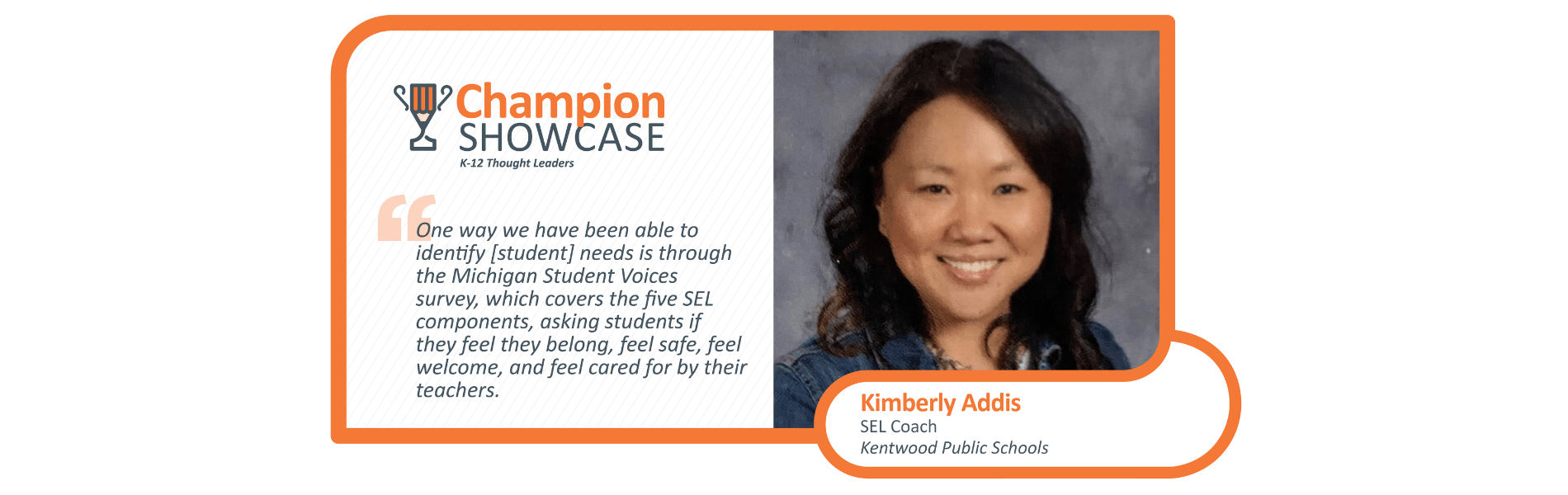
Looking ahead, I hope we’re doing more to address the systemic issues our students face daily. One way we have been able to identify needs is through the Michigan Student Voices survey, which covers the five SEL components, asking students if they feel they belong, feel safe, feel welcome, and feel cared for by their teachers. This survey is given from 5th grade to 12th grade across about 18 school districts in our county. We just got the data back in May, and it’s guiding us in focusing on areas where we need improvement. Our goal is always to ensure that every student feels they belong, are safe, welcomed, and cared for.
Where do you see the role of technology playing in education and safety in the future?
I think it’s really, really important. Technology has overtaken so much of our lives that it’s hard for kids and adults not to embrace it. However, there’s a really dark side to it that’s kind of scary. While it offers connection to a high degree, which is fantastic for students who have difficulty connecting face-to-face, it also introduces a level of isolation. Isolation is one of the worst things for mental health. There’s too many dark corners where click bait and unsafe people try to capitalize on vulnerability. It’s important to be aware and to be safe.
On the upside, I love that we can use technology to identify unsafe or dangerous search terms students might be looking up. This capability can catch things that might otherwise go unnoticed, potentially preventing tragic outcomes like school shootings or thoughts of self harm. So, while I appreciate the safety benefits of technology, it also presents significant mental health challenges.
In terms of staff shortages and teacher retention, are you doing anything to address that from your seat?
What I’ve seen working with staff coaching over the last two years, is that teachers really need to be and feel supported. They’re dealing with challenges far beyond what they ever anticipated when they first decided to become teachers.
We’re focusing on the whole child, meeting every need—clothing, food, emotional support—it’s all-encompassing and it’s draining. Teachers are coming in with no gas left in their tank, giving everything they possibly can.
Whatever I can do to help support them, whether it’s addressing student behavior or simply bringing them a Diet Coke and some food is important. Nourishing a teacher’s soul is crucial for teacher retention.
It’s sad to see people feeling like they have to leave the profession to focus on themselves. I completely respect their decision, but it’s unfortunate that we’ve reached this point where they have given their all and are undervalued or underappreciated.
How are you kind of cultivating an environment that supports mental health?
I think the biggest thing is that we’re talking about it. We’re sharing experiences and not shying away from mental health discussions, even though it can be scary. Some people will always be uncomfortable with the term “mental health” because it’s unfamiliar or they have their own issues to work through.
The challenging part is that ignoring it or downplaying it does a disservice to our students and ourselves. Behavior is communication, and we need to look at it without taking it personally. Talking about the “why” helps us learn and improve our interventions and supports.
Fortunately, we have a lot of mental health support in our district. Providing information and learning opportunities has been helpful. Our students are forming connections and working through tough issues, building capacity to manage stress and finding coping skills that work for them. We run groups for coping and depression, which have been helpful, and the psychoeducational component is crucial for everyone involved.
What measures are in place or do you want to be in place to ensure the safety of student athletes?
The biggest thing is awareness. Kids need to be aware of their bodies, the changes, and the feelings that come with that, as well as their surroundings during practices. Knowing this is knowing our limits and helping us know when we are close to reaching that. I think it’s also important for Coaches and adults supervising the athletes to be aware of potential dangers associated with these activities and events. Whether physical, emotional or environmental.
Sports are fantastic, and I’m a huge proponent. The difficult part is that we sometimes get tunnel vision, focusing so much on one play or winning the next game that we lose sight of what’s going on around us and the individual or collective needs.
It’s important to have a good support system of coaches and helpers who can challenge but also have balance of the needs to do what’s best for the team.
From your role, how are you addressing safety on a daily basis?
It’s probably a little different for me because of my role and experience in social work, but connecting with as many kids as possible is crucial. Ensuring every student, even the introverted ones walk the hallways feel seen and acknowledged is really important.
In terms of physical building safety, it’s about making sure our team shows up every day, even when we’re feeling drained. Sometimes we walk in and we’re done before the day even starts. It’s not always about ‘fake it until you make it’, but rather bringing the best you have with whatever you have left to show up for students. This helps keep us on our toes to be able to recognize any issues or risks to safety throughout the building.
The biggest thing is doing the best we can with whatever we have when we walk through those doors—for ourselves, the students, and our colleagues.