7 Plans, Policies, and Procedures for Districts to Review This Summer
Blogs

As the summer break approaches, it’s crucial for districts to dedicate time to review and update key plans, policies, and procedures. By ensuring these essential elements are in place and up to date, districts can enhance the safety, well-being, and compliance of their schools.
In this blog, we will explore seven areas that districts should prioritize during their summer planning. From the comprehensive school safety plan to the implementation of lockout tagout procedures, each aspect plays a vital role in providing a secure and thriving learning environment for students, staff, and the community.
1. School Safety Plan:
The school safety plan serves as the foundation for a well-prepared educational institution. Currently, nearly all states require schools to create school safety or emergency response plans. They can include, but are not limited to, strategies and protocols to:
- Address potential threats
- Emergency response procedures
- Evacuation plans
- Effective communication strategies
Start by reviewing your current safety plan and assessing its alignment with best practices and local regulations. Engage with stakeholders such as staff, students, parents, and community members to gather valuable insights and identify any areas for improvement.
Schoolsafety.gov provides a Safety Readiness Tool with a series of 10 questions covering the following topics:
- Designated staff
- School climate
- Reporting systems
- Threat assessment
- Emergency operation plans
- Site assessment
- Staff and faculty training
- Student training
- Exercises and drills
- Recovery plans
Consider incorporating lessons learned from recent incidents or drills and explore emerging technologies that can enhance safety measures. Regularly update and communicate the safety plan to ensure all members of the school community are aware of their roles and responsibilities during emergencies.
2. Lockout Tagout (LOTO) Procedures:
Lockout tagout procedures are essential to protect staff and students from hazardous energy sources in equipment and machinery. The Occupational Safety and Health Administration (OSHA) reports that “proper implementation of lockout/tagout procedures can prevent an estimated 120 fatalities and 50,000 injuries annually.” This highlights the significance of regularly reviewing and reinforcing these protocols in educational settings.
A comprehensive lockout tagout program for school districts can include, but is not limited to:
- Identify all powered machinery in all school buildings.
- Identify all sources of energy in all school buildings.
- Identify all energy-isolation devices (switch panels, etc.) in all school buildings.
- Identify employees who use and/or service powered equipment.
- Provide appropriate procedures for shutting down, locking and tagging-out, and restarting powered equipment in all school buildings.
- Provide personnel with training regarding proper lockout/tagout procedures.
Your district should also implement a system for regular equipment maintenance, inspections, and audits to ensure ongoing compliance. Encourage a culture of safety awareness and accountability among staff to minimize the risk of accidents or injuries related to energy sources.
Download Your Complimentary 2023 Summer Admin Compliance Checklist
3. School Wellness Policy:
A robust school wellness policy plays a crucial role in promoting the health and well-being of students, staff, and the entire school community. EdWeek shares recent CDC research on 12- to 17-year-olds highlighting that:
- Overall mental health emergencies had dropped 11%
- Attempted suicides and similar behaviors fell 12%
- Teens also had fewer hospital visits related to anxiety, depression or attention disorders in 2022
“The CDC credited improvements in mental health in part to schools’ widescale increases in mental health supports, from providing more access to therapists and social workers, to teacher training to support students with anxiety.”
Although the data is trending in the right direction, teen mental health is still a public health crisis. Districts should review their existing wellness policy annually to assess its effectiveness in addressing nutrition, physical activity, identifying students struggling with mental health, mental health support, and overall wellness.
Engage stakeholders such as students, parents, teachers, and health professionals in the review process to gather diverse perspectives and ensure the policy reflects the unique needs of your district. Consider incorporating evidence-based strategies to enhance nutrition programs, encourage physical activity, and prioritize mental health support.
Collaborate with local health agencies, community organizations, and experts to provide resources and programs that foster a culture of wellness. Regularly evaluate and update the wellness policy based on emerging research and best practices in the field.
4. District Training Plan:
A comprehensive district training plan ensures that staff members and educators are equipped with the necessary knowledge and skills to perform their duties safely and effectively. While having a written training plan isn’t mandated, it can help ensure your district is meeting all board, state, and federal training mandates.
Below are some tips to improve your current training plan:
- Evaluate: Begin by evaluating your current training programs to identify any gaps or areas for improvement.
- Review: At the end of the year, or after each training window, you should review completion rates to ensure educators and staff are compliant with their required training.
- Offer online training: Consider implementing online training modules that offer flexibility and accessibility to staff.
- Role-based training: Collaborate with relevant stakeholders to develop training plans and requirements for specific roles within the district, such as administrators, teachers, and support staff. This makes it easier to ensure all district employees and new hires receive the appropriate training for their role. This is a critical step PublicSchoolWORKS Safety Advisors help our districts accomplish, saving them hours of time, and ensuring district-wide compliance.
Continuously update the training plan to address emerging challenges and incorporate new training methodologies that align with the needs of your staff.
5. Bloodborne Pathogens Program:
Protecting staff and students from bloodborne pathogens is of utmost importance in a school setting. The U.S. Department of Education shares that “OSHA issued the Occupational Exposure to Bloodborne Pathogens Standard Regulation to reduce or eliminate the possibility of an employee contracting any of a series of diseases that are spread through blood or other potentially infectious materials.”
“The Bloodborne Pathogens Standard requires covered employers to do the following:
- Write an exposure control plan to determine how exposure to body fluids will be handled. Every job-related task in the school must be evaluated in light of the likelihood of exposure to blood, blood products, and other potentially infectious materials.
- Implement the use of universal precautions (e.g., hand washing and use of gloves).
- Identify and use engineering controls (e.g., self-sheathing needles).
- Write policies that address appropriate work practices that reduce the possibility of exposure.
- Provide personal protective equipment, such as gloves or masks.
- Offer free HBV vaccination to all employees who are reasonably to come into contact with blood and other potentially infectious materials as a direct result of their responsibilities (e.g., school nurses and physical education instructors).
- Make available post-exposure evaluation and follow-up on all occupationally exposed employees who experience an exposure incident.
- Use labels and signs to communicate hazards.
- Provide information and training for these employees on bloodborne pathogens, hepatitis B vaccination, medical evaluation, and post exposure follow-up.
- Maintain employee medical training records to document compliance with these regulations. Records of employees who have received vaccinations and written refusals of employees to receive vaccinations must be part of the documentation.
- Maintain a log of injuries from contaminated sharps”
Annually, you should review and update your district’s bloodborne pathogens policy to ensure compliance with federal regulations and best practices. You might also consider partnering with local healthcare providers to offer vaccination programs, regular screenings, and educational resources.
As part of your review process, remember to communicate updates to the policy and ensure all staff members are well-informed about the necessary precautions and procedures to minimize the risk of exposure.
6. Hazard Communication/Right to Know Program:
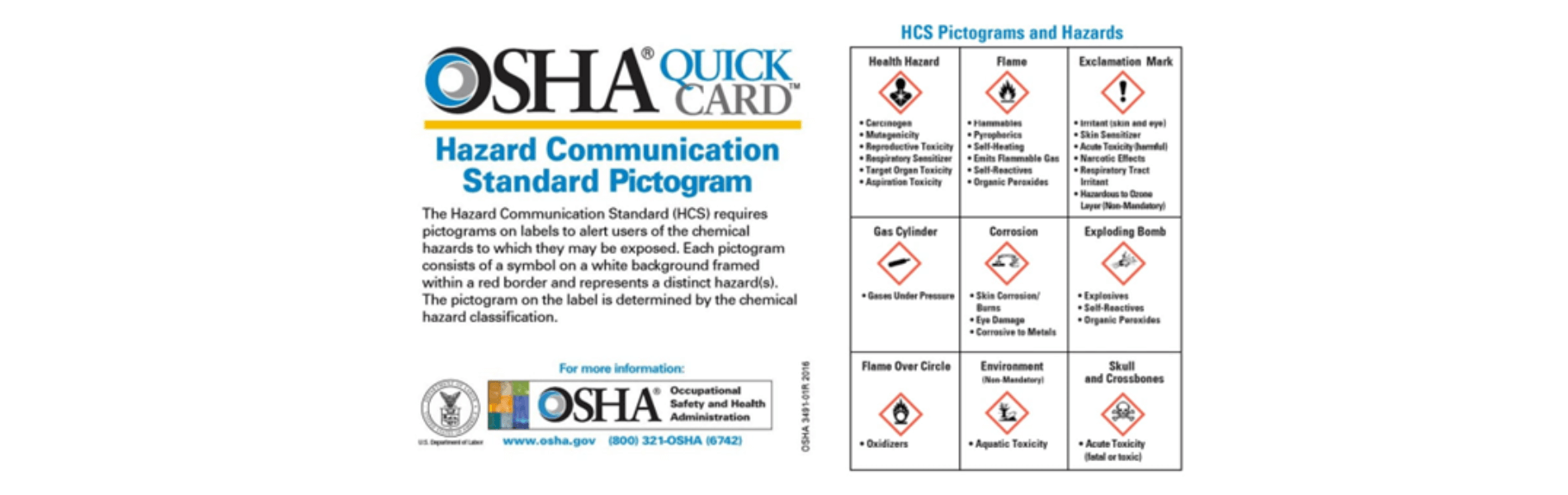
Effective communication and information sharing about hazardous substances and chemicals are crucial to maintaining a safe learning environment. OSHA enacted the Hazard Communication Standard to “ensure chemical safety in the workplace.” Review your district’s hazard communication program, which includes:
- Safety data sheets
- Labeling systems
- Training protocols
- A list of hazardous chemicals known to be present
- The methods the employer will use to inform employees of the hazards
Foster a culture of awareness and responsibility by encouraging staff members to exercise their right to know about the hazards they may encounter in their work environment.
7. Medical Procedures
Reviewing and updating medical procedures is crucial for addressing the healthcare needs of students. Focus on specific medical conditions that require attention, such as asthma, allergies, diabetes, and other chronic illnesses. Ensure that protocols for medication administration, emergency response plans, and communication with healthcare professionals and families are in place. Train staff members to recognize and respond appropriately to medical emergencies, and provide ongoing support for students with medical conditions.
Some Medical Procedures to Consider Reviewing:
- Opioid antagonists
- Diabetes
- Asthma
- Epinephrine
- Vaping
As your district reviews and updates these seven crucial plans, policies, and procedures during the summer months, you lay the groundwork for a successful and safe academic year. By prioritizing the school safety plan, lockout tagout procedures, school wellness policy, district training plan, bloodborne pathogens policy, hazard communication/right to know program, and medical procedures district leaders can ensure a secure and healthy environment for all stakeholders. Stay proactive, engage relevant stakeholders, and seek continuous improvement to foster a culture of safety and well-being within your school district.
Are you ready to make your school safer?
Focus on education—we’ll handle accident and compliance management. Get a hands-on experience with our programs by requesting a demo.
Request a Demo